Every transit campaign starts with the same question: where does a brand need to show up to be remembered? The driver in the next lane, the rider waiting at a stop, and the commuter sitting inside the bus are three different audiences. Transit advertising reaches each of them in a different way, and the format you choose decides which one you reach first.
This guide breaks down the main transit advertising formats Adsposure offers, what each one does best, and how they work together in a single campaign.
Format Comparison at a Glance
| Format | Who sees it | Best suited for |
| Bus exterior | Drivers, passengers in nearby vehicles, pedestrians | Brand awareness and market-wide reach |
| Bus shelter | Waiting riders, pedestrians, passing drivers | Location-tied messages: openings, events, offers |
| Bus interior | Riders for the length of their trip | Messages that need detail: services, hiring, enrollment |
| Bench | Pedestrians and drivers at street level | Neighborhood presence near shopping and busy streets |
Bus Exterior Advertising
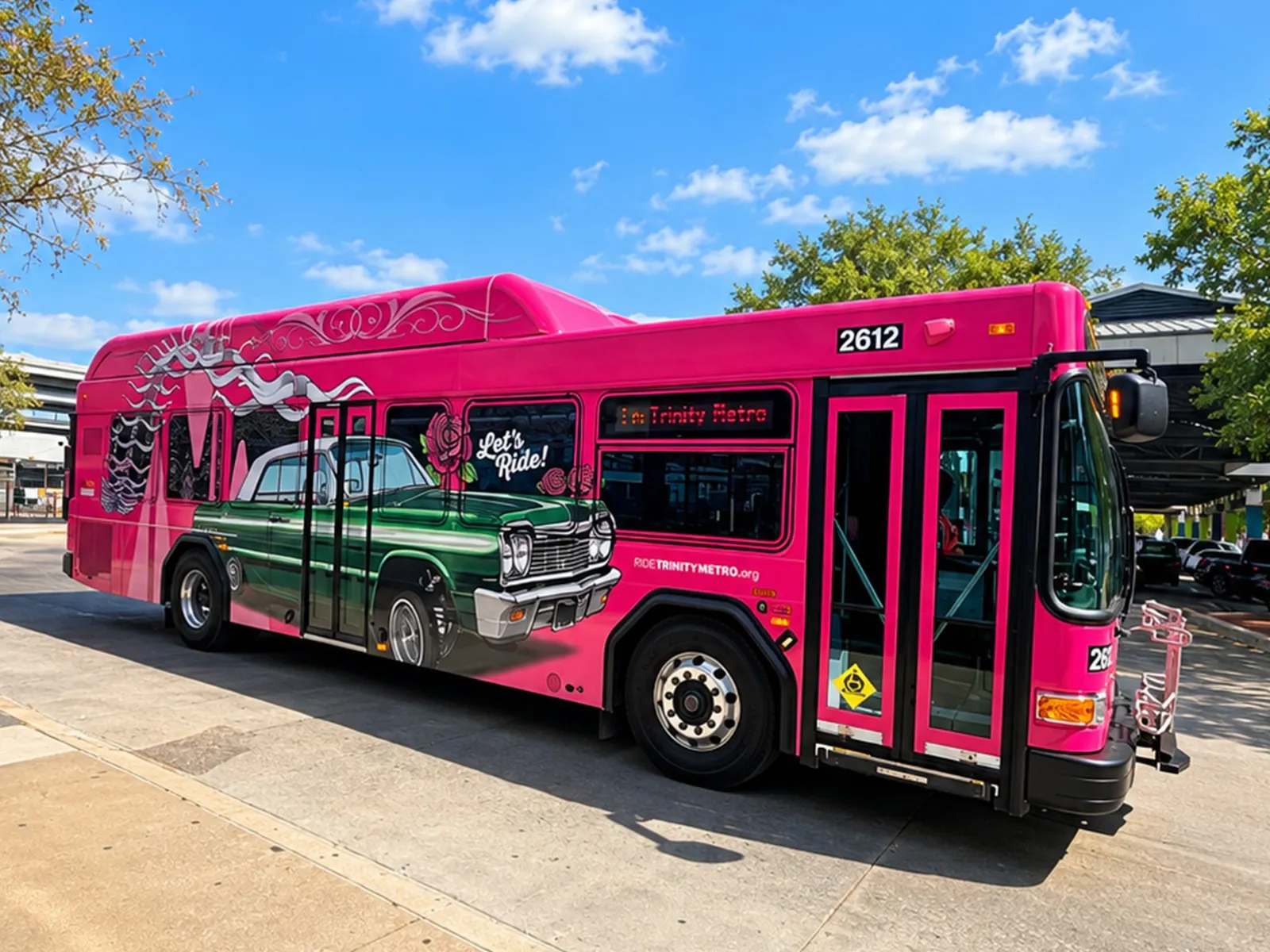
Bus exterior advertising puts a brand in the flow of daily traffic. Because buses are assigned to different routes day to day, the message moves across the market instead of staying in one neighborhood. That makes exterior formats a strong lead for any campaign built on reach.
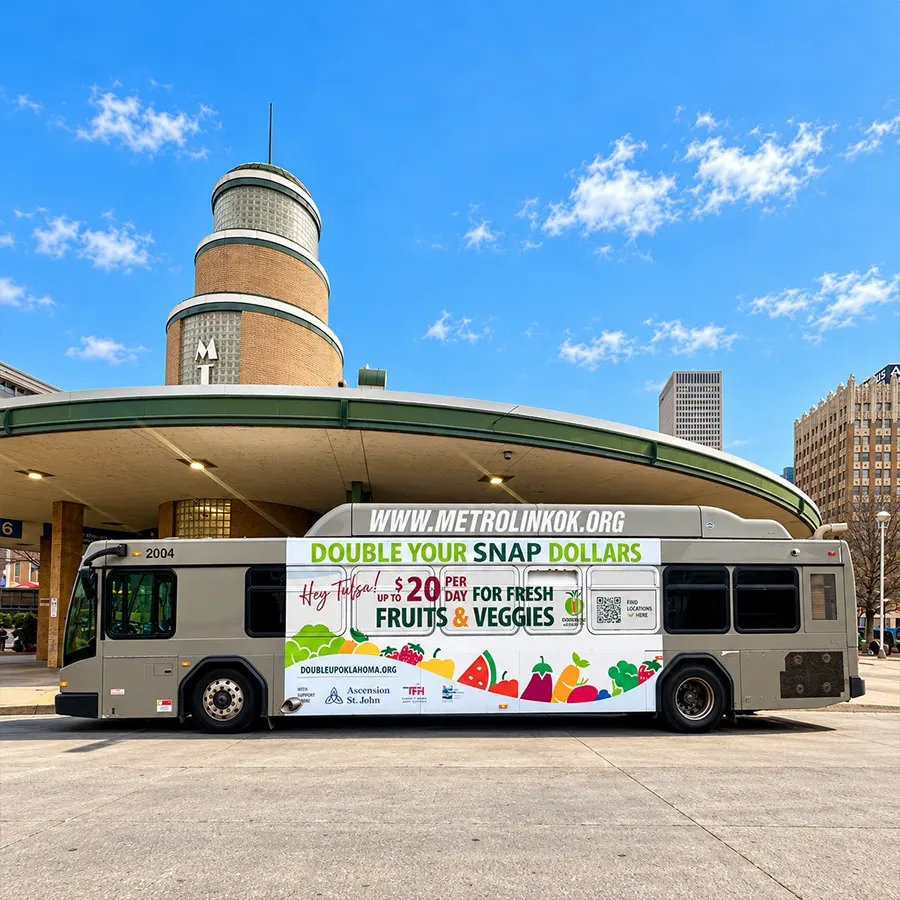
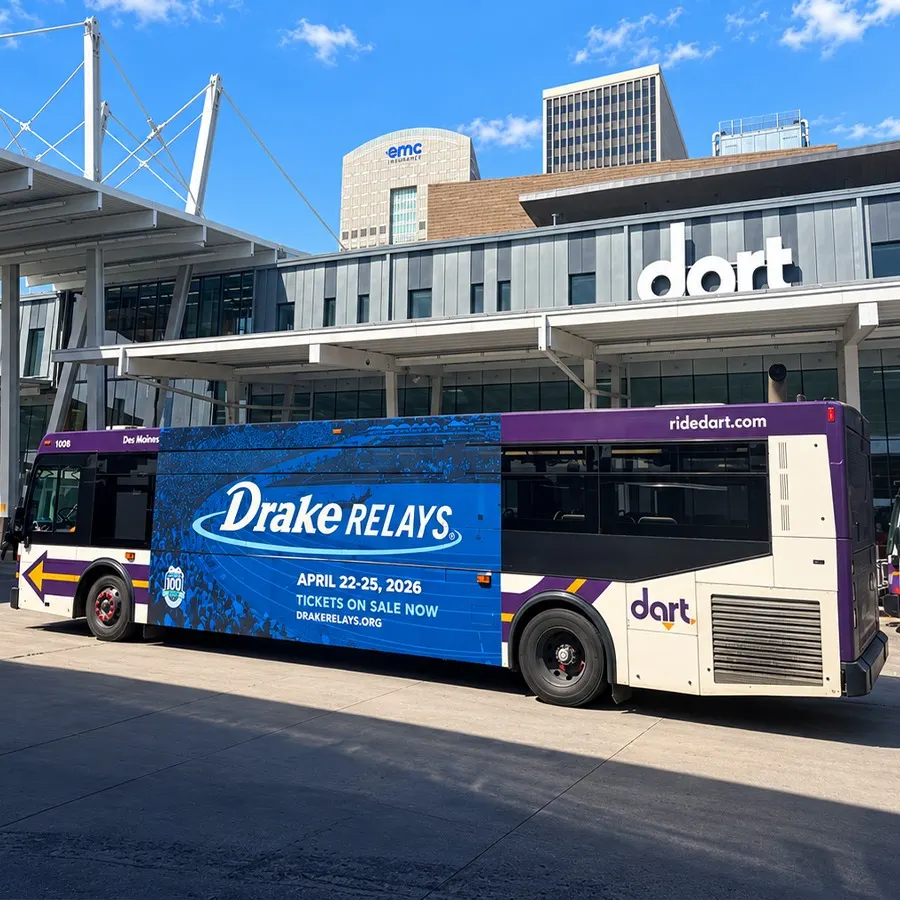
Formats: Side-panel formats come in three families, King, Queen, and Kong, and each family has three coverage levels: the base size, Extended, and Super. Full Side covers one complete side of the bus. Full Back and Supertail cover the rear. A Full Bus Wrap covers the entire vehicle, windows included, using perforated vinyl so riders can still see out.
Who sees it: Drivers and passengers in surrounding vehicles, plus pedestrians along the street.
Works well for: Brand awareness, product launches, recruitment, and campaigns that need to be seen across an entire market.
Planning tip: A King and a Super King are different products, not two sizes of the same one. Start with the coverage your message needs, then confirm sizing in the specifications guide, since sizes and options vary by market.
Bus Shelter Advertising
Where a bus moves, a shelter stays put. Shelter advertising gives a brand a fixed presence in a specific neighborhood, corridor, or transit hub, and it reaches people while they wait, which gives the message more time to land.
Formats: Shelter Poster and Shelter 3-Panel. Some markets also offer shelter types specific to that market, such as Kansas City’s MAX shelters.
Who sees it: Riders waiting for the bus, pedestrians walking past, and drivers on the street.
Works well for: Messages tied to a place or a date: a store opening, an event, a limited-time offer near the point of purchase.
Planning tip: Look at what surrounds the shelter, including nearby businesses, foot traffic, and how clearly the message reads from the sidewalk and the road.
Bus Interior Advertising
Interior advertising works on a different principle: the rider stays with the message for the whole trip. The same commuter sees it on the way to work and again on the way home, day after day.
Formats: Interior Cards at eye level and the Interior Ceiling placement, known as the “Michelangelo,” positioned overhead where riders naturally look.
Who sees it: Daily riders, often the same people on repeat trips.
Works well for: Messages that need a little explanation, such as healthcare services, hiring campaigns, college enrollment, or an offer with details.
Planning tip: Write for reading time. Interior placements give riders the time to take in a phone number, a website, or a few lines of copy that an exterior format cannot carry.
Bench Advertising
Bench advertising adds a street-level touchpoint close to where people shop, walk, and drive. It is a neighborhood format, built for local presence rather than market-wide reach.
Availability: Bench advertising is currently offered in Fort Worth and Tulsa.
Who sees it: Pedestrians and drivers along retail corridors and busy neighborhood streets.
Works well for: Local businesses and brands that want a steady presence in specific parts of a city.
Planning tip: Benches are small, local placements. Several used together can cover the area your customers move through.
Other Transit Formats
Depending on the market, a campaign can also include:
- Station formats: Station Front Posters and Station Rear Posters at transit stations.
- Access-vehicle formats: Access Full Side, Access Kong, Passenger Side Access Kong, and Access Rear Ad on paratransit and shuttle vehicles.
- Rail: Rail exterior and interior advertising, offered in St. Louis.
Building the Right Transit Advertising Mix
Strong transit campaigns rarely rely on one format. Each format plays a role, and the right mix depends on what the campaign needs to do:
- Launching something new: Lead with bus exteriors for market-wide reach, then add shelters near key locations.
- Driving people to a location: Use shelters, and benches where available, close to the store or venue.
- Explaining a service or recruiting: Use interior formats so riders have time to read the details.
- Building familiarity: Combine exterior and interior formats so the same audience sees the brand from the street and from inside the bus.
Campaign length matters as much as the mix, and the right length depends on your goal. A single event or seasonal push may call for a shorter flight. Building familiarity takes repetition, so give the message enough time and enough inventory to become part of people’s routine.
Ready to Build Your Transit Mix?
Tell the Adsposure team your goal, your audience, your market and your dates. We will confirm which formats are available where you want to advertise, check sizes and specifications, and recommend a mix built around what your campaign needs to do. We work directly with transit authorities including SORTA, IndyGo, and Trinity Metro, and we help advertisers choose the format, timing, and market that fit their goals.
Contact the Adsposure team or call 833-287-9727 to start your plan.
The Transit Advertising People.